Cornelia Păun Heinzel : „Cotylosauria din livadă”, partea a doua, traducere în limba engleză Ingrid Popescu
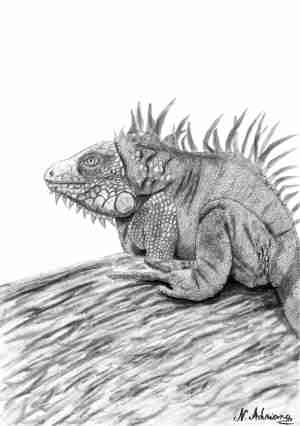
Dino does not know what’s going on with him for a few days. When he became conscious, beside his tiny straw he could see some forest apples fallen from the tree underneath. He leaned toward them and began to squeeze them. „What a good one,” said the chicken, then fell asleep happily. For a couple of weeks, the fruit of the tree was a good food. She soon began to move and look for other herbs, fruits, and food. A lucky autumn, with open arms, offered him full of abundance. But the cold was coming, and Dino had to deal alone to find survival solutions. So he slowly began to move slowly to the nearby human settlements. There he could certainly find food and not take care of tomorrow.
The first building found on its way was a large warehouse of a drug company. Dino got inside it and discovered many boxes of dust and pills. His teeth opened a few packs, tasted of their contents, and some of them seemed delicious. „Here I will spend my winter,” thought the happy lizard chick.
The contents of the boxes disappeared from day to day, without anyone noticing their lack. The doors were sealed, and there was no sign that anybody had walked to the locks or keys at the entrance to the warehouse.
Turning through the building, Dino woke up in front of a huge mirror. First he’s scared. He believed he was not alone, that a strange, great appearance, he lived next to him, there in the enclosure. Then he moved and noticed that his gestures were the same as those made by the being in front of his eyes.
Is that me? „Dino asked. „It seems so. How enormous I am, what a long tail it has brought me up! And what a thick trunk I have! Is that the way I’ve always been? „Dino thought,” or have I grown so great since I’m here? „
Among the construction woods, the shining shining rays of the spring sun shimmered. „I’m going out for a walk, too,” Dino thought. And he tried to get out of the slot he had entered at the beginning of winter. No chance. „How great I grew up!” Dino said. „The dusts and pills here seem to have had a miraculous effect on me! „.
He turned around and found no place to escape. Dino is scared to remain prisoner forever. „I have to find a solution. I’m too big now and can not sneak through any hole. But I can use my power. ” He studied the wooden walls of the building and noted that in a corner, due to the humidity, the wood had rotted. „I’m strong enough to destroy the planks in this place,” Dino thought, and rushed into the material. But it does not succumb. The chicken tried again. Though with defects, the wood kept its hardness. „I have to use my sharp teeth,” concludes Dino. And the lizard chick began to crunch the rotten wood fibers with courage.
Soon the rays of the sun lit up a little. Dino understood. He had managed to get out. „I’m a winner,” he said, starting to walk.
On the following route, freshly emerged leaves, intense green, fragrant flowers and tasty fruits gradually descend.
Towards the evening he retreated to the locality near the forest. But he does not go into the warehouse anymore, scared that he will not have the chance to get out again for the second time. He crawled toward the orchard seen near him. „How beautiful it is ! „Dino said. And he heard the laughter of some children. In front of him, two sympathetic boys, who looked very good to each other, but one was taller than the other, playing happily. She stopped in front of the new asshole that appeared before them and studied her with curiosity.
– It’s as if it’s gotten out of cartoons. It looks like Dino, one of them said.
– Let’s just tell her. It seems to be a Cotylosauria, „said Andrei, the bigger boy who was passionate about zoology, and read many books about animals, especially about prehistoric times. Throw the ball, see how she reacts, what she does with her, „said the child.
The lizard chick strikes the ball with the ball to the boys.
„We can play with the ball with Dino,” said the younger child, Michael.
And for half an hour, the three of them played excitedly until a sudden, mature voice came from the door of the house:
– Andrew ! Mihai! Come to the table! Let play! Your mother is waiting for you with sweet surprises.
„We have to go,” said Andrei. Will we ever see him again, Dino? Let’s say goodbye to him. I’d love to play with him again.
„And I,” said Michael, who was following his brother in all he was doing, because he seemed to be the greatest of the earth.
The boys fell asleep with the thought of their new friend. At night, they dreamed incredible adventures in which they were protagonists alongside Dino. And this, delighted by his new buddies, did not leave the orchard in their expectation.
Early in the morning, Andrei runs into the garden hoping to meet the lizard. He soon discovered, with Mihai, his brother who had come before him, having the same thoughts as he did.
The holiday days have faded away. The kids had fun and played with Dino daily. He does not tell anyone anything. Only their father saw the weird animal in the yard, but optimistic of his own kind, did not pay too much attention to him, not considering him dangerously, nor did he approach him.
Dino suffered the most after the children left. The boys started school and the theses, the extemporals almost forgot the lizard. Only from time to time, at the weekend, one of them, sadly asked the other:
– What’s Dino doing? Will we see him again when we go to grandparents on holiday?
When he saw that his friends did not appear, Dino began to walk, discover new territories. So he got into the yard of a restaurant in the area. One day, when he crawled by the fence, his owner saw him.
– Wife! Come see what prey we have in the yard! Do you remember that yesterday, in the news, they showed that in a bean soup of the poor people served in a town they found a lizard? The idea is magnificent! We have a huge reptile on our property. And we can serve it as a delicacy for rich clients. As great specials … We will win very well with the beast! Come with a thick twine, like a lashe, to catch it!
Dino does not know what’s going on. He was scared only when he saw the laughing eyes of the people. He believed that all beings had good souls, like Andrew and Mihai. He tried to flee, but it was too big, and he crawled heavily on the ground.
„What do they want to do to me?” Dino thought frightenedly. „Not a good thing! „Said the lizard, while the large and powerful hands of the man grabbed him tightly. The man tied him tightly and approached the lizard chicken with a sharp, giant knife … It was his last moment …
Epilogue
On the next holiday, Andrei and Mihai searched in vain for Dino, in the grandparents’ orchard. He missed them. The teacher did not see any interesting jivina, which he sometimes admired in his garden, but he was not impatient.
The restaurant’s guests, staying at the nearby hotel, are at lunch for a special meal. Everyone inquired curiously, which special food was served to them. They were very excited about the menu!
– It cost a lot! I bought it from the remote, exotic islands. True Delicacy, „said the lazy owner. Only kings have such a feast! And to his wife, the man whispered softly:
– My wife, I kicked it! What a smart husband you have! A real businessman of our day! Will we ever have, so luck? We have now won, more than just the expired meat, which we must always pay, together with the spices added to it, so that we do not feel the real taste in the dishes … cooked perfectly by a wonderful housewife, so you do not have a client who does what he really does.
Note: This is a story. Any likeness to facts, characters, places is quite haphazard, although it is known that sometimes life beats the film and reality can sometimes be more cruel than written literary storytelling.
 by
by 

Despre Cornelia PAUN
profesor doctor, scriitoare, enciclopedistă, jurnalistă membră a Presei Internaţionale, prozatoare, prima fabulistă cu peste trei sute de fabule, originale, inedite, neprelucrate și neinspirate din cele ale predecesorilor, cea mai titrată scriitoare/jurnalistă cu 10 diplome universitare de la universități /Institute de stat obținute prin meritul propriu ( fără să dea spagă pentru examene și diplome) - 3 de la Universitatea București, 3 de la Universitatea Politehnică Ɓucurești, 2 de la Universitatea Brașov Transilvania, una de la Universitatea Tehnică de Construcții București, una de la Goethe Institut Munchen, Germania, conducătoare de la vârsta de 28 de ani de Institut de cercetare științifică bugetar, de stat, prima femeie doctor in Roboți din România, blogger premiat în Franța, în 2016, cu cel mai bun blog. A publicat în 500 de ziare și reviste străine din străinătate, prezentate in cartea " Istoric din cinci sute de ziare și reviste din străinătate din peste treizeci de țări", 2024.
Cornelia PĂUN - cu pseudonimul Cornelia Păun Heinzel, după numele bunicii din partea mamei care provenea dintr-o familie austriacă – tatăl bunicii a fost ofiţer la Curtea Împăratului de la Viena (, dovezi cu acte concrete) s-a născut la Braşov şi este profesor doctor, scriitoare, jurnalistă membră a Presei Internaţionale, filolog, fiind prima femeie doctor in Roboţi din România.
Fiica inginerului electronist C.F.R. Dumitru Păun şi a profesoarei de limba română Oltea Aglaia Păun (născutăBejenaru).
Păun Cornelia este profesor doctor inginer, cu titlul de Doctor în Roboţi Industriali, din 1998, al Universităţii Politehnice Bucureşti - cu toate examenele cu zece - Master în Management şi Evaluare Educaţională, Facultatea de Psihologie şi Ştiinţele Educaţiei, Universitatea Bucureşti şi Master în Didactica Disciplinelor Filologice, Facultatea de Litere, Universitatea Bucureşti, licenţiată și șefă de promoție în Filologie, Limba şi Literatura română - Limba şi Literatura franceză, Facultatea de Litere. A fost admisă a doua şi a absolvit printre primii, în 1986, secţia T.C.M, Facultatea T.C.M. a Universităţii Braşov, având și repartiție guvernamentală dublă în învățământul superior și cercetare, domeniu în care a lucrat de atunci până în prezent, în calitate de cadru didactic. Este şi inginer specializarea Transporturi, Universitatea Politehnică Bucureşti. A mai absolvit trei cursuri postuniversitare la: Universitatea Tehnică de Construcţii Bucureşti, Universitatea Bucureşti, Facultatea de Psihologie şi Ştiinţele Educaţiei, specializarea Metode moderne în Psihologie Specială şi Universitatea Politehnică Bucureşti, Metodică. A fost admisă în 1990, printre primii, la Facultatea de Matematică, Secţia Informatică, curs de zi, a Universităţii Bucureşti, transferându-se apoi la Brașov, deoarece a primit conducerea institutului de cercetări (1990-95), fiind şi cadru didactic universitar. În 2010 a câştigat o bursă Goethe Institut, München, Germania, specializarea “Multimedia-Führerschein DaF”: Das Internet als Quelle für Materialien und Projekte (Kommunikationsprojekte im Unterricht; Das Internet als Quelle für Arbeitsmaterial; Übungen und didaktisiertes Material aus den Internet; Internet projekte planen und dürchführen). În perioada 2007-2013 a fost EXPERT FORMATOR al Ministerului Educației în Management Educațional în cadrul programului Profesioniștii în management educațional. A fost mentor de practică pedagogică pentru studenţii Universității Politehnice, referent științific alături de: Prof. Dr. Constantin Ispas, Prof. Dr. Alexandru Dorin, la “Sisteme flexibile de producţie”, „Îndrumar de laborator pentru uzul studenţilor”, de Prof. Univ. D. Catrincaş ; alături de: Prof. Dr. Constantin Ocnărescu şi Conf. George Adir, la cartea curs universitar Iniţiere în Mecanisme şi Organe de Maşini cu asistare CAD/CAM/CAE,de M. Neacşa,Spiridon
Biografie
Cornelia Păun s-a născut la Brașov, tatăl fiind inginer electronist la Regionala Căi Ferate Brașov și mama profesoară de limba română. În școală a fost întotdeauna premianta întâi și olimpică la matematică. A absolvit Colegiul „Dr. Ioan Meșotă” din Brașov, secția de Matematică Fizică, la care a fost admisă luând la concursul de admitere nota 10 la proba de matematică și 9,50 la limba română, cea mai mare notă la această probă. Ca elevă a fost anual premiantă și olimpică la matematică.
Dragostea pentru cărţi a moştenit-o de la bunicul său, din partea mamei, profesor de filozofie (fiu de preot) şi de la mama sa, profesoară de limba română. A învățat literele, să scrie și să citească de la patru ani. Când a mers la şcoală la şase ani, deja citise toate cărţile din casă, care erau foarte multe şi care aveau ca autori cei mai renumiţi scriitori din literatura universală. Bunicul său cunoştea limba greacă veche, limba latină, limba franceză, limba germană, limba italiană, limba spaniolă şi spre sfârşitul vieţii a învăţat singur limba engleză. A învăţat de mică limba germană în casă, de la bunica din partea mamei, Elsa Heinzel, care provenea dintr-o familie austriacă cu tatăl fost ofițer la Curtea Împăratului de la Viena.
Păun Cornelia a debutat ca jurnalistă în 1995 că redactor colaborator la cotidianul BRAȘOVEAN BUNĂ ZIUA, BRAȘOV !, ca scriitoare în Revue de culture, critique et imagination „Asymetria”, Franţa, Paris, ca poetă şi colaboratoare în cadrul Magazinului cultural și de informație „Agero-Stuttgart” Germania şi al Agenţiei de Presă Nurenberg.
Este membru al presei internaţionale, al Uniunii Scriitorilor Mondiali Hispanici şi al “Poetas del Mundo”, laureată a Premiului Literar Internaţional Naji Naaman 2017, pentru creativitate şi membră de onoare a Casei Naji Naams, laureată a Union Hispanomundial de Escritores fiind prezentă în nouă Antologii ale scriitorilor şi poeţilor din întreaga lume, internaţionale, editate de străini, patru editate de români, în enciclopedie USA, în Antologia de literatură americană care reuneşte cei mai prestigioşi scriitori şi poeţi din toate ţările lumii, într-o Antologie a scriitorilor cu premii literare internaţionale, 2017, editată în limbile: engleză, spaniolă, franceză şi arabă.
A fost redactor colaborator la un ziar cotidian românesc și este colaborator permanent la diferite reviste și publicații străine din străinătate, publicând în fiecare număr, în şaisprezece reviste de cultură de prestigiu, reviste universitare de literatură din Spania, din U.S.A. şi din ţări ale Americii Latine: Argentina, Columbia, Chile, El Salvador, Mexic, Venezuela, Peru, etc. din Malaezia, din India şi trei din Canada.
Este publicată în aproximativ cinci sute de publicaţii, dintre care peste două sute de reviste străine din străinătate, peste cincizeci de reviste din România, în publicaţii din diaspora iar unele scrieri au fost selectate pe bloguri de către fondatorii acestora pentru activităţi educaţionale în cadrul probelor de examene, concursuri sau la manifestări culturale, literare, istorice. Texte traduse în limbile engleză şi spaniolă au fost selectate de către unii specialişti, ca studiu la orele de limbă şi literatură spaniolă sau în cadrul unor activităţi didactice, culturale, religioase, din ţări aparţinând spaţiului hispanic şi Statelor Unite ale Americii :
- în opt reviste literare franceze din Franţa, nouă reviste de cultură italiene din Italia şi un ziar cultural italian, într-o revistă de literatură universitară din U.S.A., în cinci magazine literare din U.S.A., în International Literary Magazine & Academic Journal of English Literature, într-un magazin literar internaţional din Danemarca, într-o revistă de literatură din Marea Britanie şi una Internaţională de cultură din Belgia, în ziarul naţional albanez, în trei reviste de literatură internaţionale din India, într-o revistă internaţională de literatură din Bangladesh, într-un jurnal literar indian, în revista internaţională a scriitorilor din Insulele Caraibe, Trinidad, Tobago, în Agenţia Albaneză de Presă, în publicaţii internaţionale din Estonia, din Islanda , din Albania, şase din U.S.A. , într-o revistă de poezie din Vancouver, Canada & China, într-un jurnal de artă din Mauritius, într-o revistă literară Hawaiiană, într-o revistă literară şi într-un jurnal de ştiri din Republica Moldova.
- în reviste de cultură din diasporă: din Noua Zeelandă, din Irlanda, din U.S.A., din Canada, din Germania, din Franţa, Australia
- în peste treizeci de reviste de cultură şi ziare din România.
Poemele scriitoarei Cornelia Păun au fost traduse de personalităţi culturale din întreaga lume în: 50 de idiomuri franceză, germană, engleză, italiană, japoneză, rusă, arabă, portugheză, olandeză, suedeză, greacă, catalană, persană, turcă, polonă, letónă, cehă, maghiară, sârbă, búlgară, albaneză, slovenă, azeră, georgiană, aromână, chineză, indiană, ebraică, kurdă, urdu, macedoneană, coreană, vietnameză, malaeziană, în idiomul shana din Zimbabwe, etc. iar povestirile au fost traduse şi publicate în reviste de cultură sau de literatură străine în : spaniolă, arabă, franceză, engleză, rusă, italiană, greacă.
Cărți de specialitate publicate: A publicat primul “Manual al calității unei unități de învățământ” şi şase cărţi de specialitate: „Contribuții la cercetarea elastodinamică o mecanismelor roboţilor industriali ”, Teza de doctorat, Editura Universității Politehnice București, 1998, “Proiectul la discipline tehnice”, “Teste de Organe de mașini și mecanisme pentru Bacalaureat”, “Metoda jocurilor în învățământ”, “Contribuții la cercetarea elastodinamică o mecanismelor roboţilor industriali”, rezumatul tezei de doctorat, Editura Universității Politehnice București, 1998 şi peste două sute de articole de specialitate în ţară şi străinătate.
Literatură: A publicat cinci volume bilingve de proză scurtă la editura AL CHRIS "El cartero nunca más llama dos veces" o "Sueños ... sueños ... sueños" / "Poştaşul nu mai sună de două ori" sau "Visuri… visuri… visuri…" , “El laberinto de las enigmas”, “University Y Building”, “Η στροφή του" , 'El sueno transatlantico" și o carte de fabule; două cărți de jurnalism, DICȚIONARUL FABULIȘTILOR DIN ANTICHITATE PANĂ ASTĂZI, DE PE ÎNTREG GLOBUL și o ENCICLOPEDIE CU PERSONALITĂȚI LITERARE DIN ÎNTREAGA LUME în limbile spaniolă și engleză. CĂRȚI CU APRECIERI DESPRE CORNELIA PĂUN HEINZEL: 4 : RECEPTAREA OPEREI SCRIITOAREI CORNELIA PĂUN HEINZEL ÎN SPAȚIUL LITERAR EUROPEAN, TRANSATLANTIC ȘI ASIATIC DE CĂTRE EXEGEȚII STRĂINI DE VERIDIQUE LITERATO, EXEGEȚII HISPANICI DESPRE CREAȚIILE SCRIITOAREI CORNELIA PĂUN HEINZEL, ETC
Vezi toate articolele scrise de Cornelia PAUN →



 by
by 

 Array
A trecut ceva timp, de la atacul informatic direct, de foarte rea-credinţă, prin care revista universală de creaţie şi atitudine culturală ARMONII CULTURALE (www.armoniiculturale.ro, înfiinţată la Adjud în februarie 2011), a fost desfiinţată aproape în totalitate. Dispariţia din spectrul online a acestei reviste, devenită în scurt timp valoroasă, prin numele care şi-au adus contribuţia la construirea acesteia, a constituit un real motiv de regret pentru cei peste 900 de colaboratori, de pe cinci continente. În perioada activităţii sale online, revista Armonii Culturale s-a constituit într-un pol pozitiv de atragere a scriitorilor valoroşi, atât din ţară, cât şi din diaspora..
Array
A trecut ceva timp, de la atacul informatic direct, de foarte rea-credinţă, prin care revista universală de creaţie şi atitudine culturală ARMONII CULTURALE (www.armoniiculturale.ro, înfiinţată la Adjud în februarie 2011), a fost desfiinţată aproape în totalitate. Dispariţia din spectrul online a acestei reviste, devenită în scurt timp valoroasă, prin numele care şi-au adus contribuţia la construirea acesteia, a constituit un real motiv de regret pentru cei peste 900 de colaboratori, de pe cinci continente. În perioada activităţii sale online, revista Armonii Culturale s-a constituit într-un pol pozitiv de atragere a scriitorilor valoroşi, atât din ţară, cât şi din diaspora..